Entry № 009
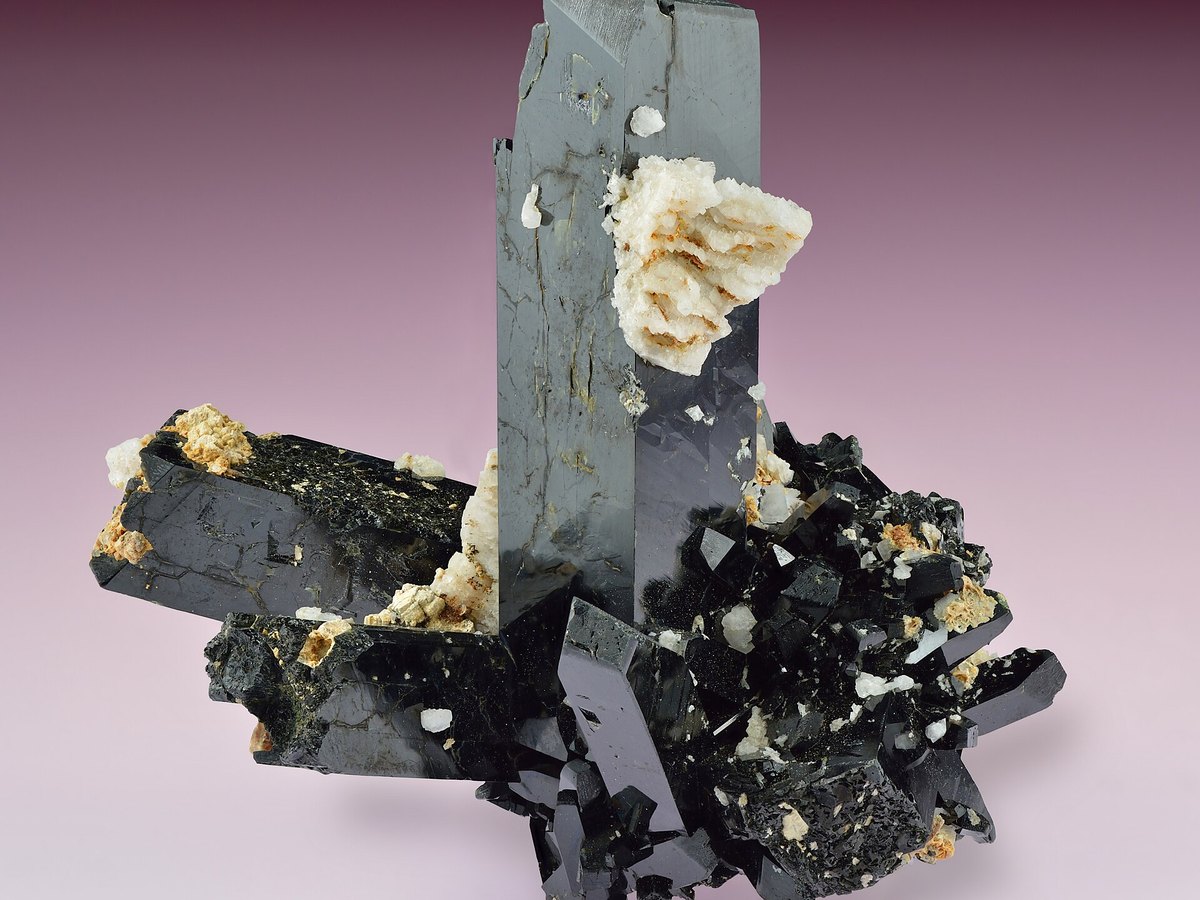
Aegirine
Sodium Iron Silicate
The dark blade - a stone of clean severance.
Chakra
Root · Solar Plexus
Element
Fire · Earth
Zodiac
Pisces
I. The Metaphysical Reading
How the stone has been held.
Named for Ægir, Norse deity of the sea. Traditional lithotherapy treats aegirine as a discriminating stone - one that helps release outside influence and restores personal integrity to the will. It is often paired with clearer crystals to sharpen intent without introducing new distraction.
- Chakra
- Root · Solar Plexus
- Element
- Fire · Earth
- Zodiac
- Pisces
- Keynote
- The dark blade - a stone of clean severance.
II. The Scientific Reading
What the lattice actually does.
Aegirine is the sodic end-member of the clinopyroxene series, forming in silica-undersaturated alkaline igneous rocks such as nepheline syenites and phonolites. Its steep prismatic habit and high refractive index reflect a densely packed structure dominated by Fe³⁺ in the M1 octahedral site. Type locality: the Rundemyr mine, Norway, 1835.
- Formula
- NaFe³⁺Si₂O₆
- System
- Monoclinic (clinopyroxene)
- Hardness
- 5 – 6 (Mohs)
- Provenance
- Russia (Kola Peninsula), Greenland, Norway, Malawi, Canada
References & Sources
Independent mineralogical references used to verify the scientific details above.
Mineral Profile
Fact Sheet
- Chemical Formula
- NaFe³⁺Si₂O₆
- Crystal System
- Monoclinic (clinopyroxene)
- Mohs Hardness
- 5 – 6 (Mohs)
- Density
- 3.50 – 3.60 g/cm³
- Refractive Index
- 1.720 – 1.835
- Provenance
- Russia (Kola Peninsula), Greenland, Norway, Malawi, Canada
- Color Origin
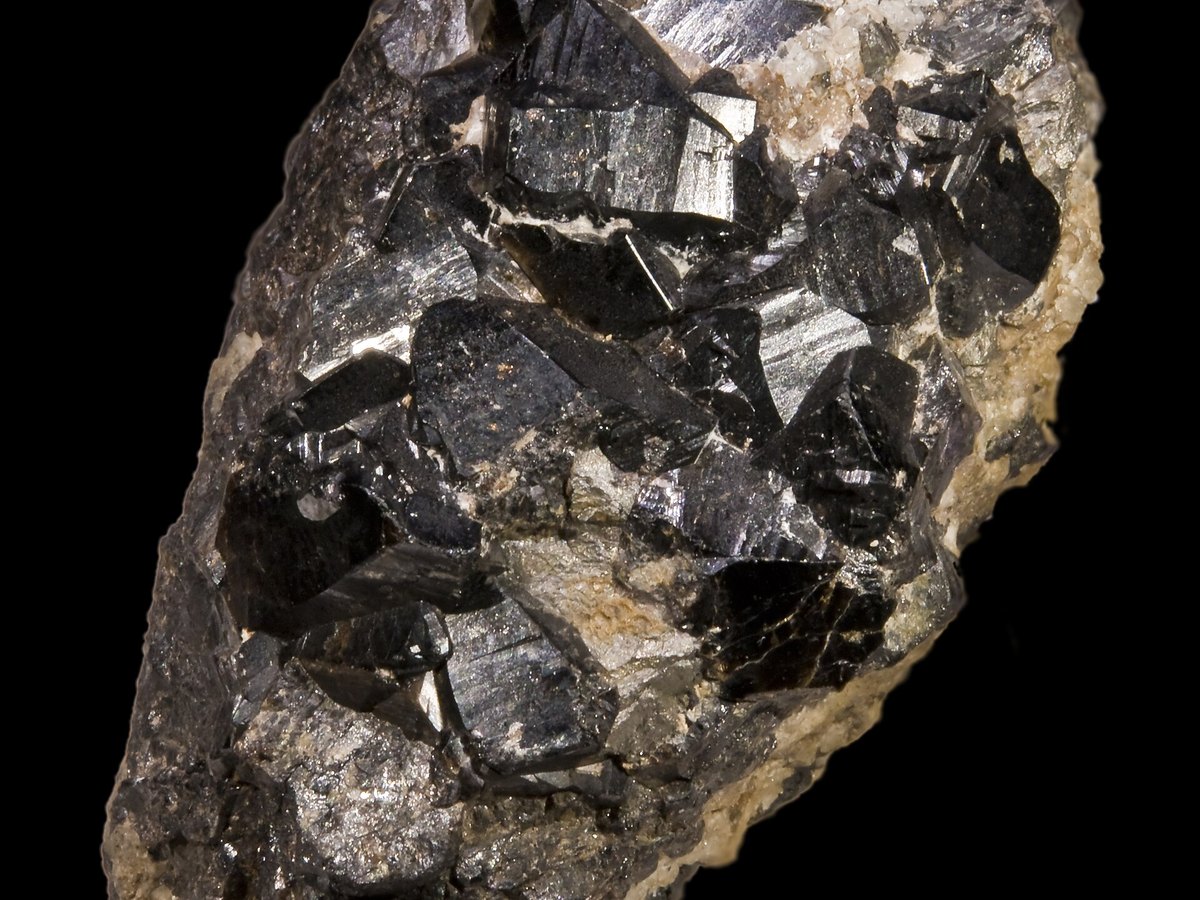
- Dark green to brownish-black - ferric iron (Fe³⁺)
Related Crystals
Stones that share this lattice
Next in the Atlas
Afghanite
Lapis-country blue, gathered in miniature.