Entry № 088
Cassiterite
Tin Oxide
The stone that made the Bronze Age.
Chakra
Root · Solar Plexus
Element
Earth · Fire
Zodiac
Capricorn · Sagittarius
I. The Metaphysical Reading
How the stone has been held.
Cassiterite is worked with as a stone of long-term craft and material inheritance, favoured by makers who work with metal and by anyone learning a skilled trade. Practitioners speak of it as a stone that rewards patience over cleverness.
- Chakra
- Root · Solar Plexus
- Element
- Earth · Fire
- Zodiac
- Capricorn · Sagittarius
- Keynote
- The stone that made the Bronze Age.
II. The Scientific Reading
What the lattice actually does.
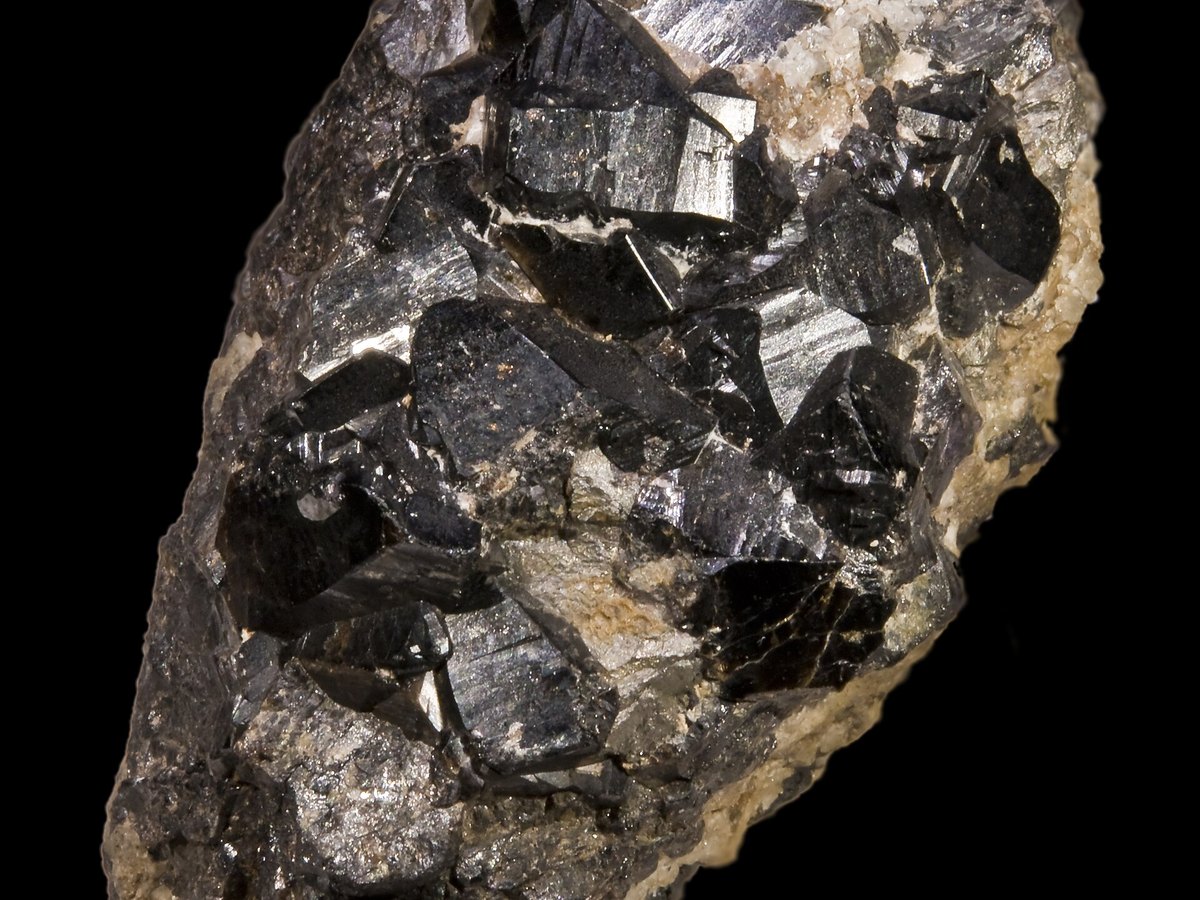
Cassiterite is tin dioxide and the principal ore of tin, mined for over four thousand years and central to the Bronze Age tin trade of Cornwall, Brittany and Iberia. Its very high density and adamantine lustre distinguish it from most other black minerals. Modern production is dominated by placer deposits in Malaysia, Indonesia and Bolivia, and by hard-rock mining in DR Congo, where the material is a conflict-mineral concern.
- Formula
- SnO₂
- System
- Tetragonal
- Hardness
- 6 – 7 (Mohs)
- Provenance
- Bolivia, Malaysia, China, DR Congo, UK (Cornwall), Namibia
References & Sources
Independent mineralogical references used to verify the scientific details above.
Mineral Profile
Fact Sheet
- Chemical Formula
- SnO₂
- Crystal System
- Tetragonal
- Mohs Hardness
- 6 – 7 (Mohs)
- Density
- 6.80 – 7.10 g/cm³
- Refractive Index
- 1.997 – 2.093
- Provenance
- Bolivia, Malaysia, China, DR Congo, UK (Cornwall), Namibia
- Color Origin
- Adamantine black to red-brown tetragonal crystals
Related Crystals
Stones that share this lattice
Next in the Atlas
Cavansite
Electric blue starburst from a monsoon quarry.