Entry № 048
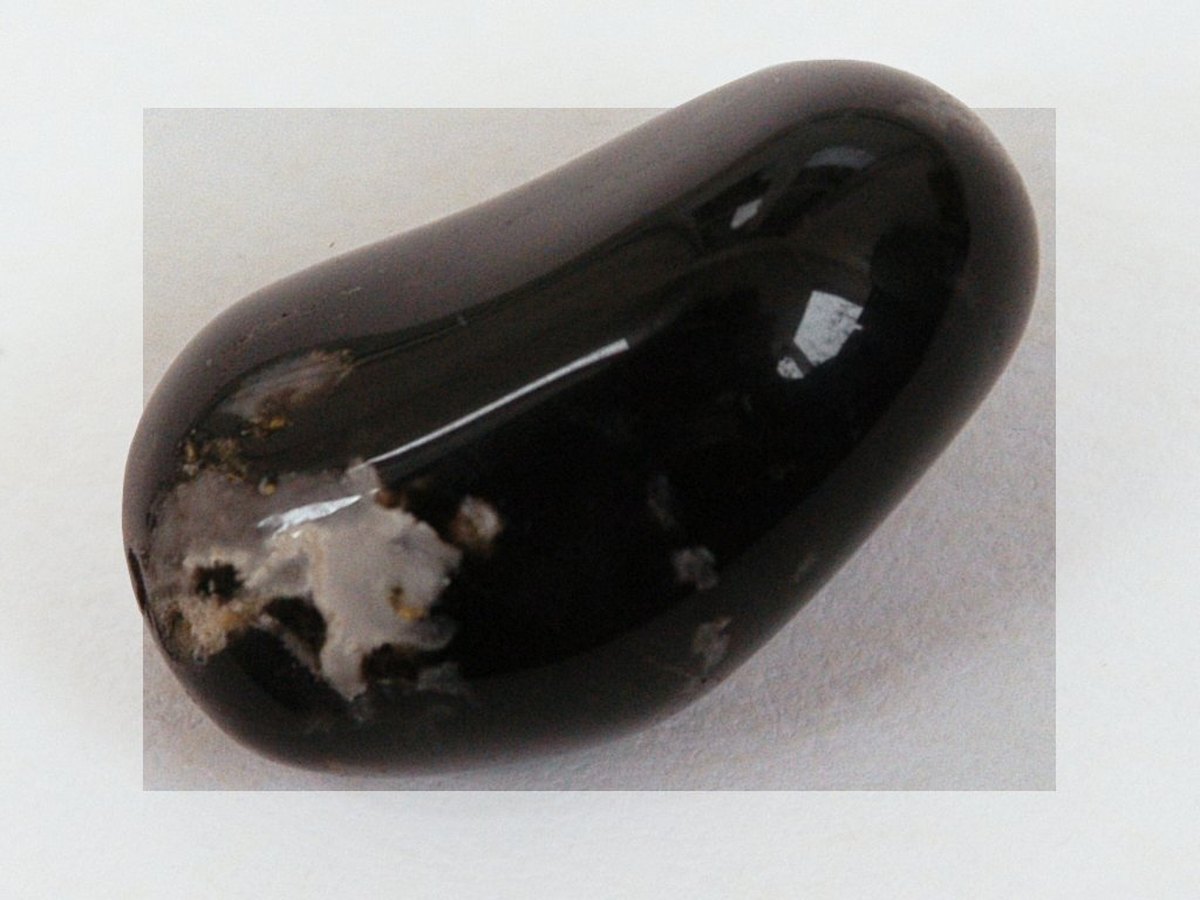
Black Obsidian
Volcanic Glass (SiO₂ + Fe, Mg oxides)
The mirror the earth cooled too fast to lose.
Chakra
Root
Element
Fire · Earth
Zodiac
Scorpio · Capricorn
I. The Metaphysical Reading
How the stone has been held.
Black obsidian is one of the classical shadow-work stones, worked with by practitioners undertaking honest self-examination. It is spoken of as a mirror without flattery, and is often held or gazed into during the quieter parts of a practice rather than carried on the body.
- Chakra
- Root
- Element
- Fire · Earth
- Zodiac
- Scorpio · Capricorn
- Keynote
- The mirror the earth cooled too fast to lose.
II. The Scientific Reading
What the lattice actually does.
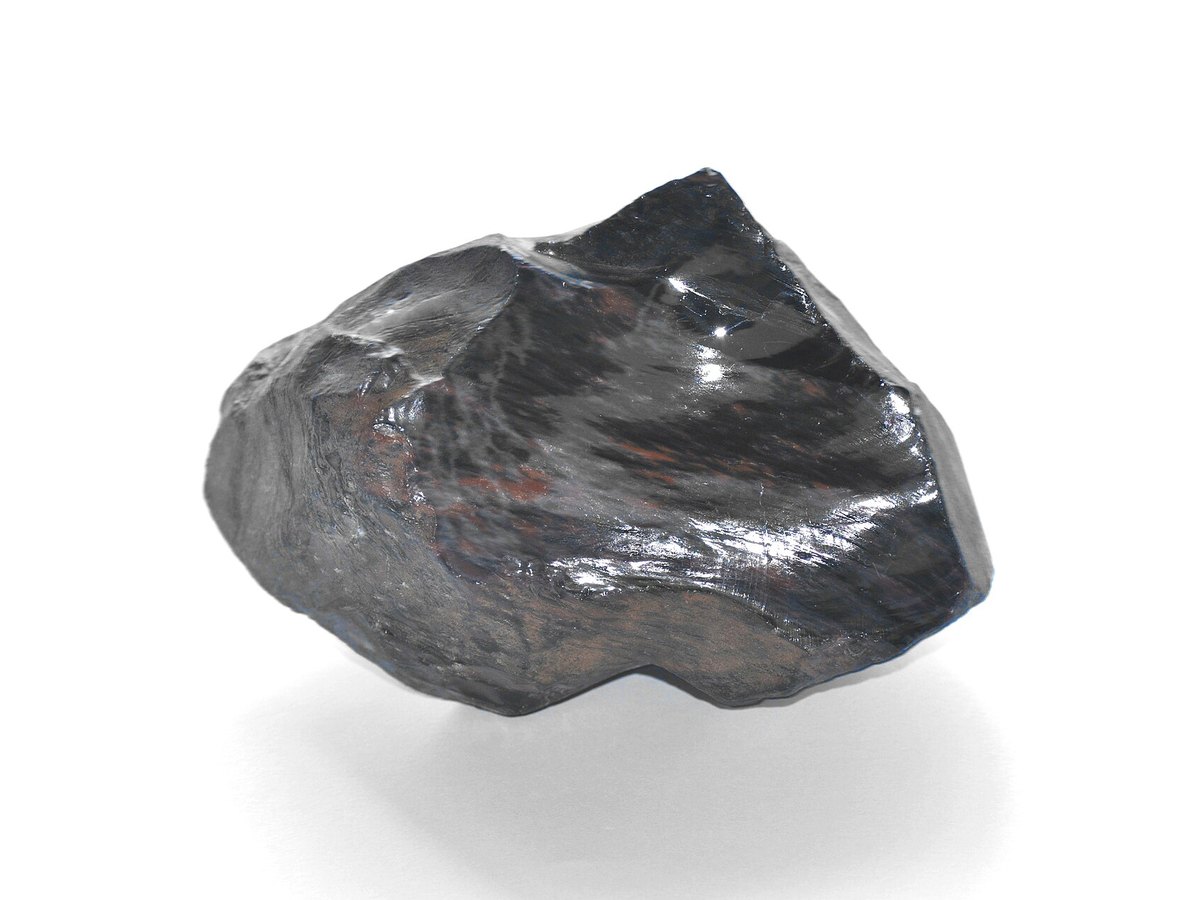
Black obsidian is a natural volcanic glass formed when felsic lava cools so quickly that mineral crystals have no time to grow. Its conchoidal fracture produces edges thinner than surgical steel, a property exploited across prehistory for blades and scrapers; the trade in Anatolian obsidian is documented from the ninth millennium BCE. Modern sources include the Glass Buttes of Oregon and the volcanic fields of central Mexico.
- Formula
- ≈ 70 – 75% SiO₂ with Fe, Mg, Ca, Na, K oxides
- System
- Amorphous (volcanic glass)
- Hardness
- 5 – 5.5 (Mohs)
- Provenance
- Mexico, USA (Oregon, Arizona), Iceland, Armenia, Turkey
References & Sources
Independent mineralogical references used to verify the scientific details above.
Mineral Profile
Fact Sheet
- Chemical Formula
- ≈ 70 – 75% SiO₂ with Fe, Mg, Ca, Na, K oxides
- Crystal System
- Amorphous (volcanic glass)
- Mohs Hardness
- 5 – 5.5 (Mohs)
- Density
- 2.35 – 2.60 g/cm³
- Refractive Index
- 1.480 – 1.510
- Provenance
- Mexico, USA (Oregon, Arizona), Iceland, Armenia, Turkey
- Color Origin
- Jet black with vitreous lustre and conchoidal fracture
Related Crystals
Stones that share this lattice
Next in the Atlas
Black Onyx
The polished dark that steadies a hand.