Entry № 197
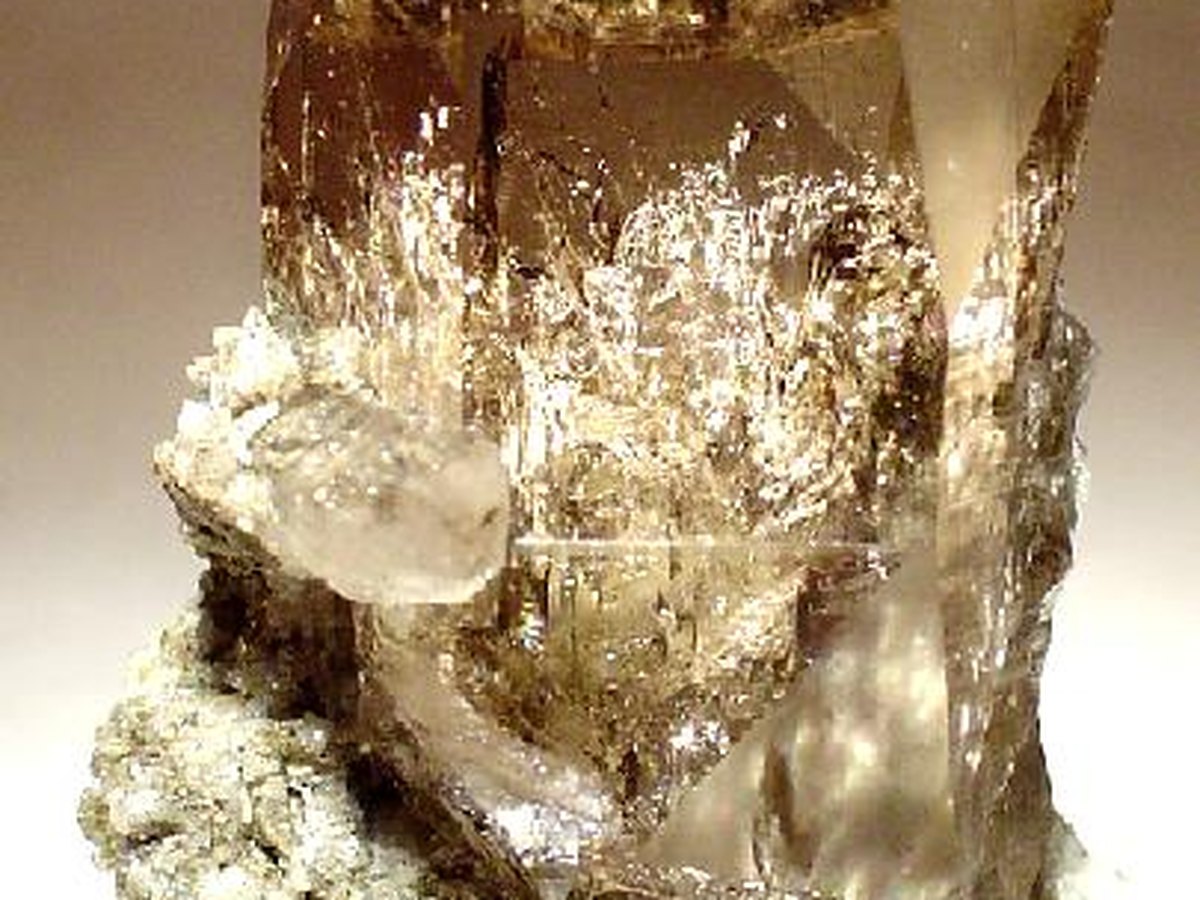
Fuji Lava Stone
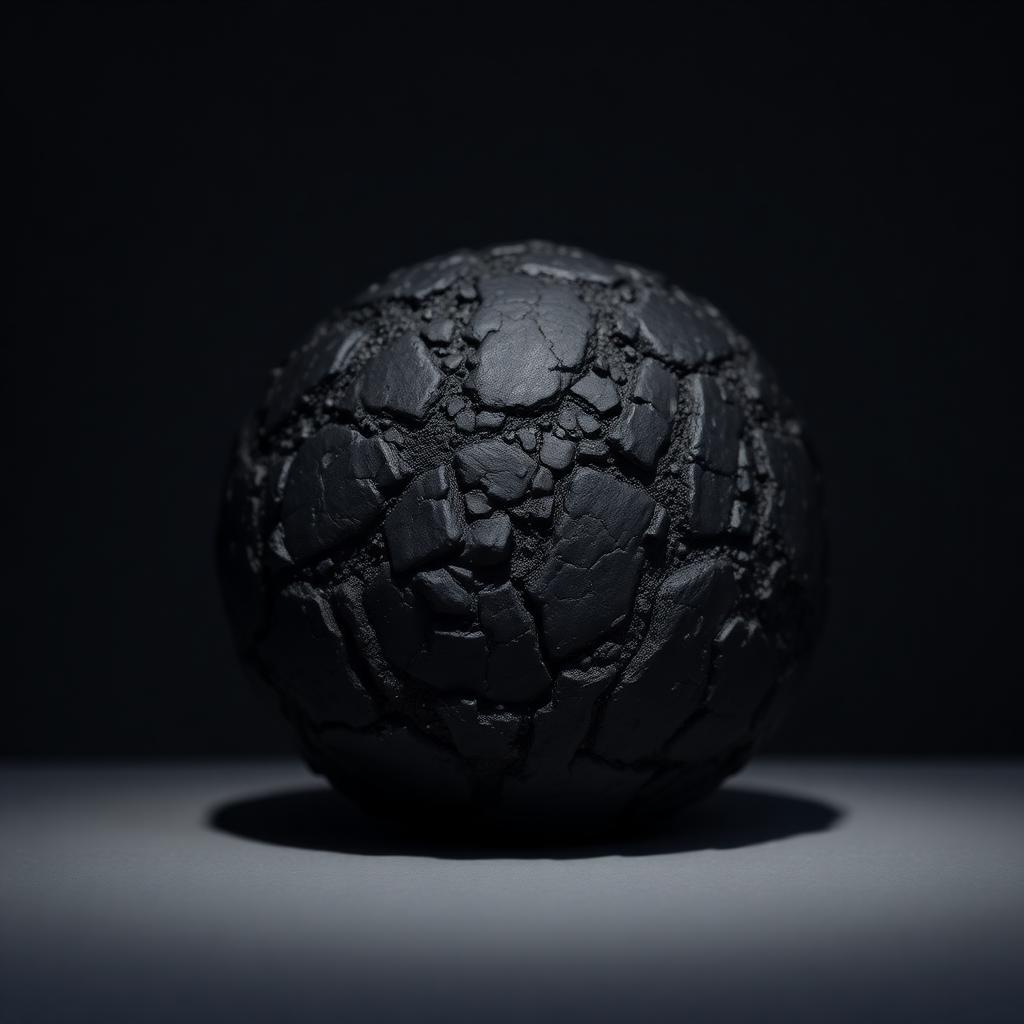
Fuji Basalt (Vesicular)
A porous piece of Japan's most patient volcano.
Chakra
Root
Element
Fire · Earth
Zodiac
Aries · Capricorn
I. The Metaphysical Reading
How the stone has been held.
Fuji lava stone is worked with as a stone of grounded release, often carried as a diffuser bead where a drop of essential oil is absorbed into its pores. Practitioners hold it as a stone that takes on what it is asked to carry — and as a reminder to periodically empty it out.
- Chakra
- Root
- Element
- Fire · Earth
- Zodiac
- Aries · Capricorn
- Keynote
- A porous piece of Japan's most patient volcano.
II. The Scientific Reading
What the lattice actually does.
Fuji lava stone is vesicular basalt erupted from Mount Fuji's stratovolcanic system, whose porous texture comes from gas bubbles trapped as the low-viscosity basaltic magma quenched at the surface. It is a plagioclase-pyroxene-olivine assemblage typical of subduction-zone basalts; the porosity is what makes it useful as an oil-holding bead but also relatively fragile compared with solid basalt.
- Formula
- Basalt: plagioclase + pyroxene + olivine glass
- System
- Aggregate (extrusive igneous, vesicular)
- Hardness
- 5 – 6 (Mohs)
- Provenance
- Japan — Mount Fuji volcanic province
References & Sources
Independent mineralogical references used to verify the scientific details above.
Mineral Profile
Fact Sheet
- Chemical Formula
- Basalt: plagioclase + pyroxene + olivine glass
- Crystal System
- Aggregate (extrusive igneous, vesicular)
- Mohs Hardness
- 5 – 6 (Mohs)
- Density
- 2.60 – 3.00 g/cm³ (solid); much lower vesicular
- Refractive Index
- 1.55 – 1.60 (bulk)
- Provenance
- Japan — Mount Fuji volcanic province
- Color Origin
- Matte charcoal to iron-black porous basalt
Related Crystals
Stones that share this lattice
Next in the Atlas
Garden Quartz
A clear window onto a landscape that stopped growing.