Entry № 223
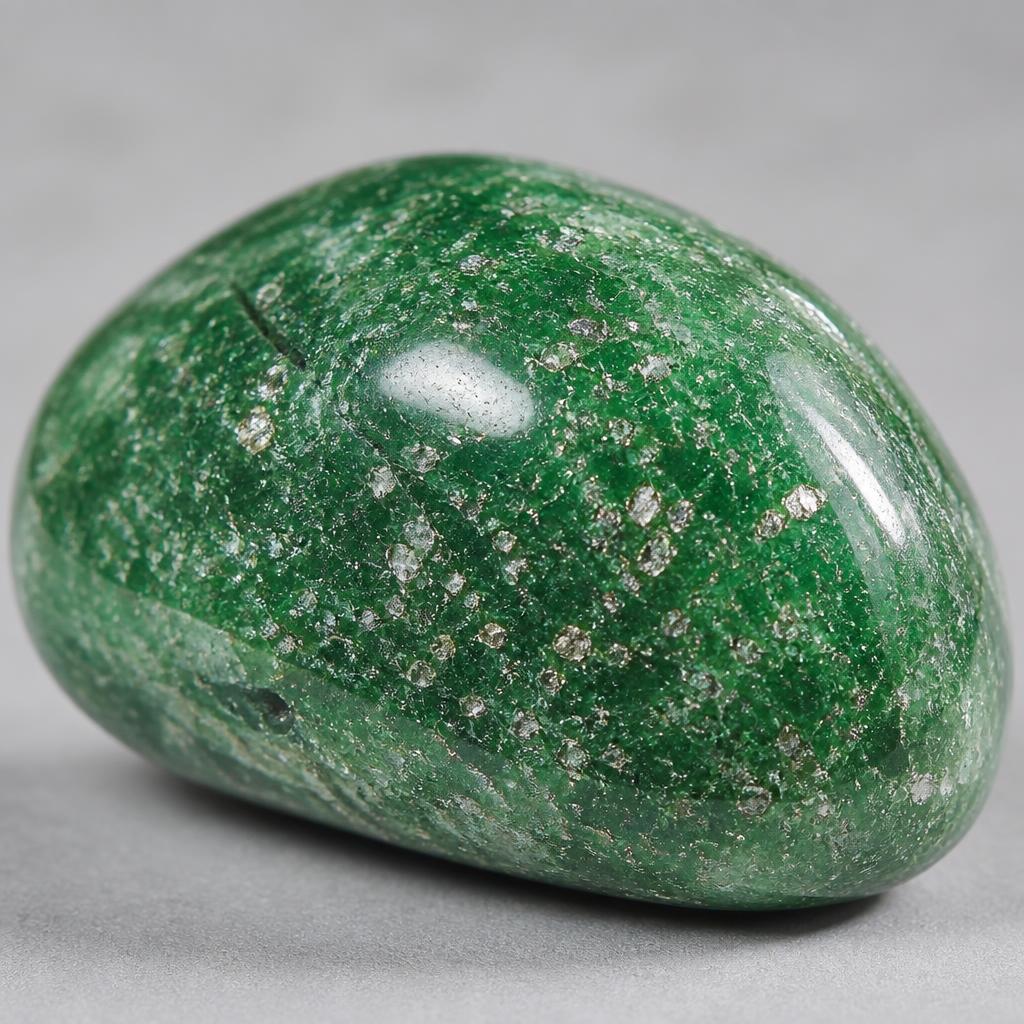
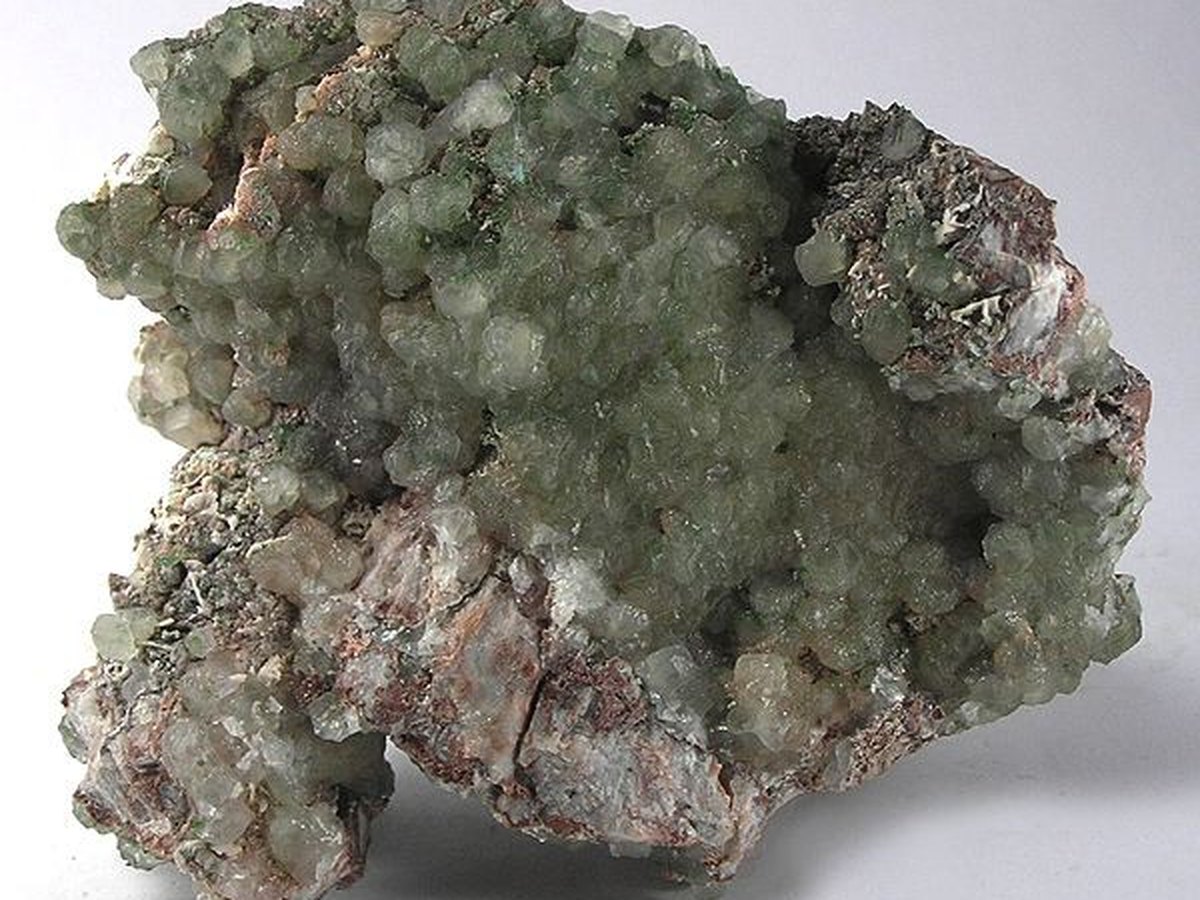
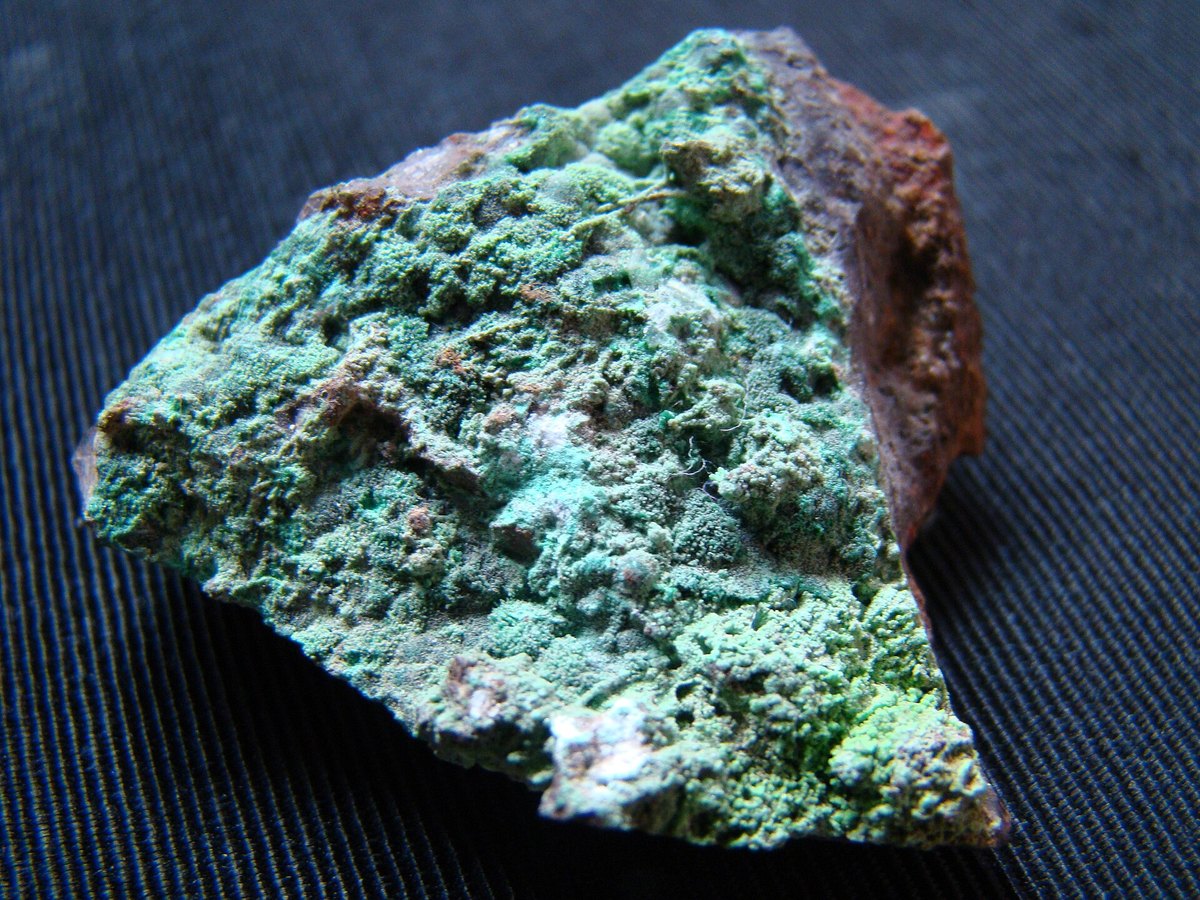
Green Smithsonite
Zinc Carbonate (var. Green)
A soft green zinc carbonate that holds a gentle lunar luster.
Chakra
Heart · Solar Plexus
Element
Earth
Zodiac
Virgo · Capricorn
I. The Metaphysical Reading
How the stone has been held.
Green smithsonite is worked with as a stone of emotional soothing, placed in spaces where anxiety needs to be absorbed rather than analysed. Practitioners hold that it carries a lunar, yin quality that settles the stomach and the heart.
- Chakra
- Heart · Solar Plexus
- Element
- Earth
- Zodiac
- Virgo · Capricorn
- Keynote
- A soft green zinc carbonate that holds a gentle lunar luster.
II. The Scientific Reading
What the lattice actually does.
Smithsonite is zinc carbonate, a secondary mineral that forms in the oxidised zone of zinc ore deposits. It is dimorphous with hemimorphite and was named for James Smithson, founder of the Smithsonian. Green smithsonite owes its colour to trace copper or nickel substituting into the zinc site. It is prized by collectors for its botryoidal forms and pearly lustre, but is too soft for jewellery.
- Formula
- ZnCO₃
- System
- Trigonal
- Hardness
- 4 – 4.5 (Mohs)
- Provenance
- Namibia, Australia, Mexico, Greece (Laurium)
References & Sources
Independent mineralogical references used to verify the scientific details above.
Mineral Profile
Fact Sheet
- Chemical Formula
- ZnCO₃
- Crystal System
- Trigonal
- Mohs Hardness
- 4 – 4.5 (Mohs)
- Density
- 4.30 – 4.45 g/cm³
- Refractive Index
- 1.621 – 1.849
- Provenance
- Namibia, Australia, Mexico, Greece (Laurium)
- Color Origin
- Pale green to apple green from trace copper or nickel
Related Crystals
Stones that share this lattice
Next in the Atlas
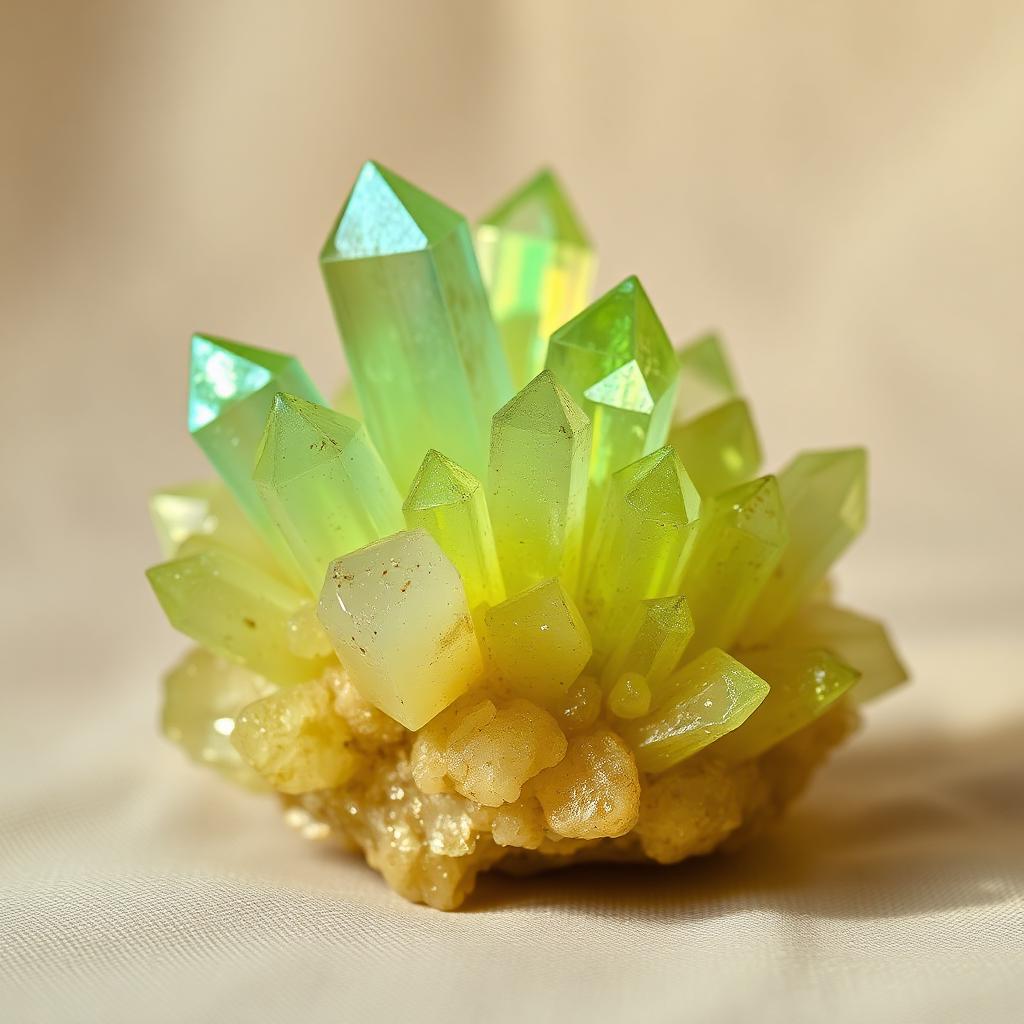
Green Tanzurine
Tanzanian aventurine — a green field of starlight.