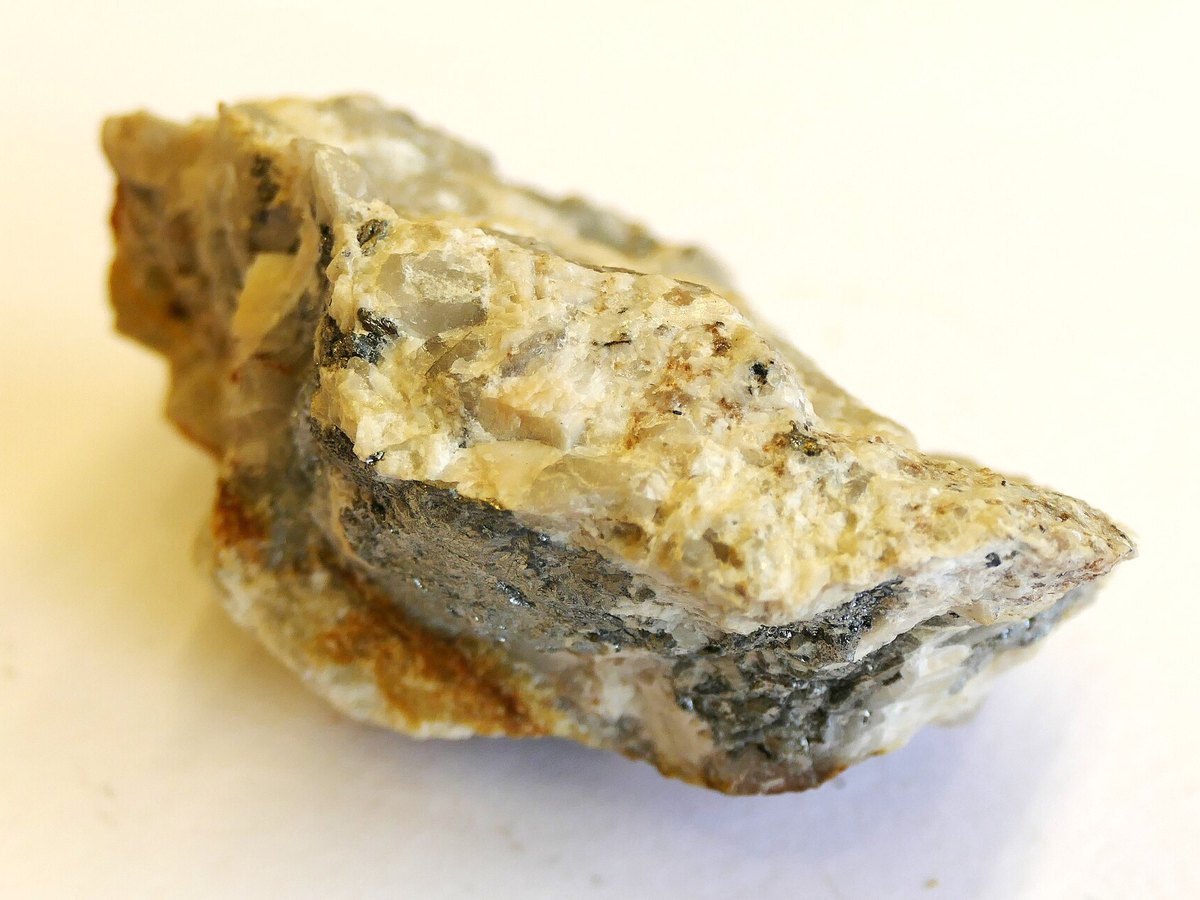
Entry № 244
Indonesia Palmwood
Palmoxylon spp. (silicified fossil palm)
Fossil palm trunk turned to stone with its rods intact.
Chakra
Root · Sacral
Element
Earth · Wood
Zodiac
Cancer · Capricorn
I. The Metaphysical Reading
How the stone has been held.
Indonesia palmwood is worked with as a stone of tropical continuity, held when someone is rebuilding daily rhythm after loss. The visible vascular rods are said to remind the carrier that circulation — of blood, of resources, of care — is what keeps a life standing.
- Chakra
- Root · Sacral
- Element
- Earth · Wood
- Zodiac
- Cancer · Capricorn
- Keynote
- Fossil palm trunk turned to stone with its rods intact.
II. The Scientific Reading
What the lattice actually does.
Indonesian petrified palmwood is silicified fossil palm from Miocene-age volcanic sediments across the Indonesian archipelago. Because palms are monocots, their trunks contain scattered vascular bundles rather than concentric growth rings; when silica-rich groundwater permeates the buried trunk, it replaces cell walls with microcrystalline quartz and preserves those bundles as dark rods against a lighter matrix. Cross-cut slabs show dots; longitudinal cuts show parallel lines.
- Formula
- SiO₂ (replacing original palm tissue)
- System
- Cryptocrystalline (chalcedony/opal)
- Hardness
- 6.5 – 7 (Mohs)
- Provenance
- Indonesia (Sumatra, Java, Kalimantan) — Miocene deposits
References & Sources
Independent mineralogical references used to verify the scientific details above.
Mineral Profile
Fact Sheet
- Chemical Formula
- SiO₂ (replacing original palm tissue)
- Crystal System
- Cryptocrystalline (chalcedony/opal)
- Mohs Hardness
- 6.5 – 7 (Mohs)
- Density
- 2.5 – 2.7 g/cm³
- Refractive Index
- 1.53 – 1.55
- Provenance
- Indonesia (Sumatra, Java, Kalimantan) — Miocene deposits
- Color Origin
- Browns, honey, cream and grey with dark rod-like vascular bundles
Related Crystals
Stones that share this lattice
Next in the Atlas
Löllingite
Silvery iron arsenide of the sulfide veins.