Entry № 015
Amber
Fossilised Tree Resin (Succinite)
Sunlight, kept.
Chakra
Solar Plexus · Sacral
Element
Fire · Earth
Zodiac
Leo
I. The Metaphysical Reading
How the stone has been held.
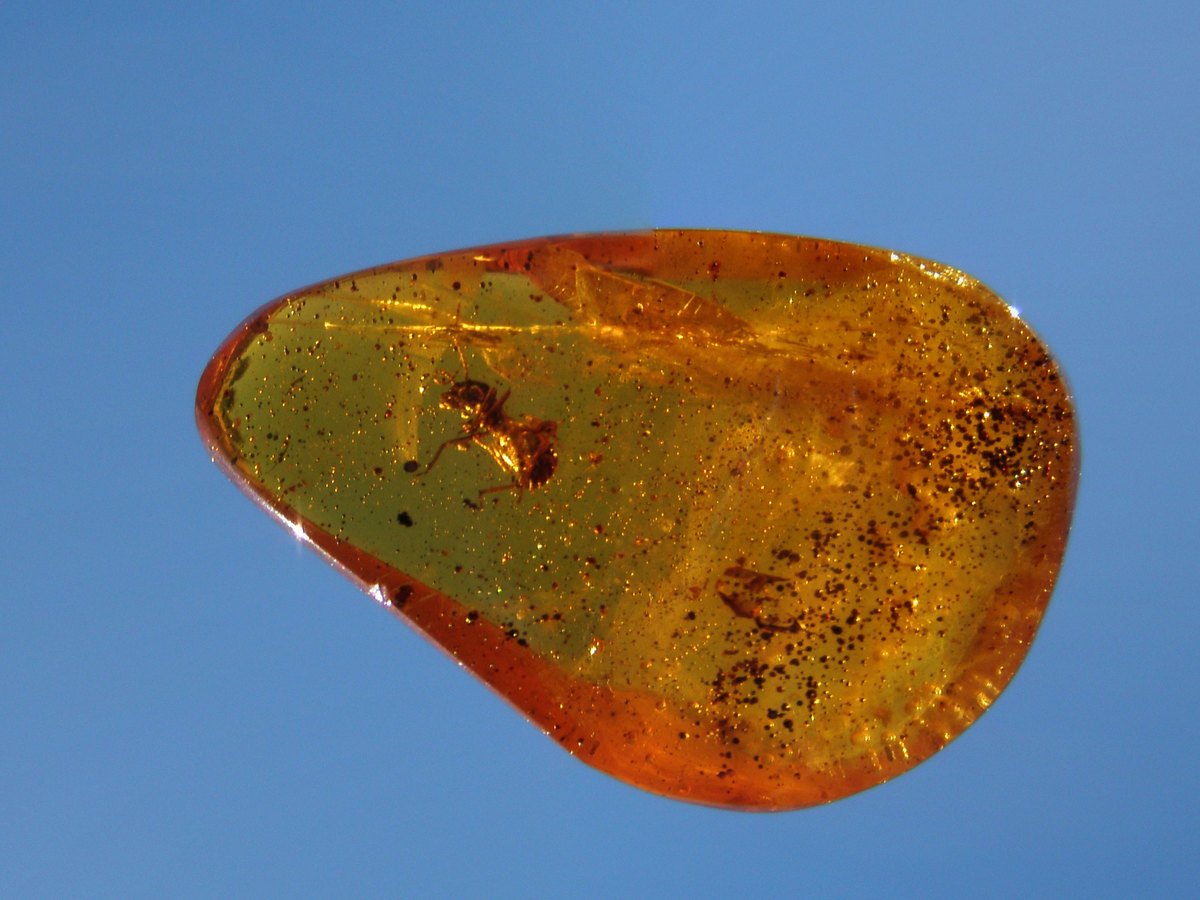
One of the oldest talismans in continuous use. Baltic peoples set amber at the throats of children as protection; Greek and Roman writers described it as a stone of warmth and vitality. Practitioners today associate amber with the digestion of experience - the slow conversion of what has happened into what can now be carried lightly.
- Chakra
- Solar Plexus · Sacral
- Element
- Fire · Earth
- Zodiac
- Leo
- Keynote
- Sunlight, kept.
II. The Scientific Reading
What the lattice actually does.
Amber is polymerised tree resin, chiefly from extinct conifers of the genus Pinus succinifera (Baltic amber) or leguminous trees (Dominican amber). Fresh resin loses volatile terpenes and cross-links over millions of years into a stable, amorphous polymer. Baltic amber is distinguished by 3–8 % succinic acid; its characteristic yellow-white fluorescence under UV is diagnostic. Inclusions of Cretaceous and Eocene insects have made amber one of paleontology's most important preservational media.
- Formula
- C₁₀H₁₆O + succinic acid
- System
- Amorphous organic
- Hardness
- 2 – 2.5 (Mohs)
- Provenance
- Baltic coast (Poland, Lithuania, Russia), Dominican Republic, Myanmar, Mexico
References & Sources
Independent mineralogical references used to verify the scientific details above.
Mineral Profile
Fact Sheet
- Chemical Formula
- C₁₀H₁₆O + succinic acid
- Crystal System
- Amorphous organic
- Mohs Hardness
- 2 – 2.5 (Mohs)
- Density
- 1.05 – 1.10 g/cm³
- Refractive Index
- 1.539 – 1.545
- Provenance
- Baltic coast (Poland, Lithuania, Russia), Dominican Republic, Myanmar, Mexico
- Color Origin
- Golden yellow to honey, red, occasionally blue-fluorescent
Related Crystals
Stones that share this lattice
Next in the Atlas
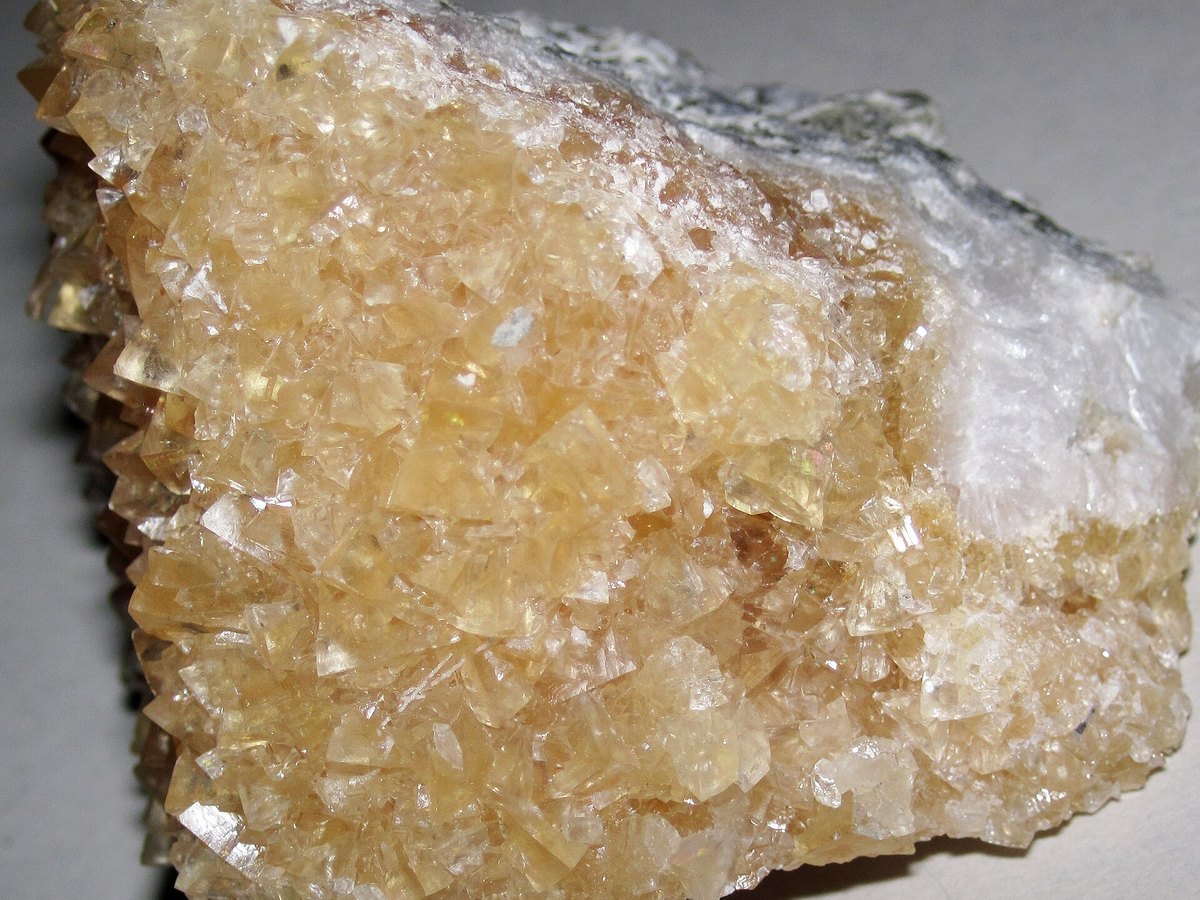
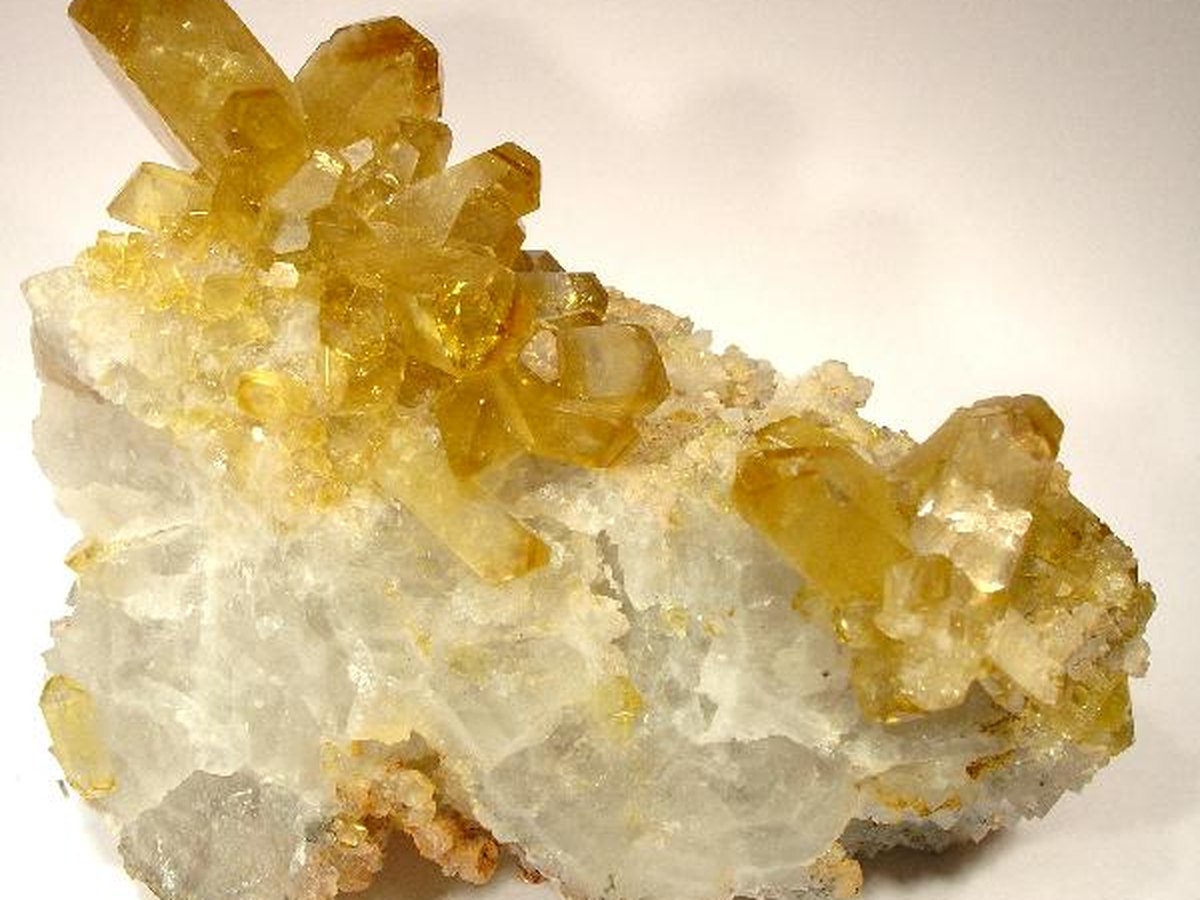
Amber Calcite
Honey in stone form.