Entry № 030
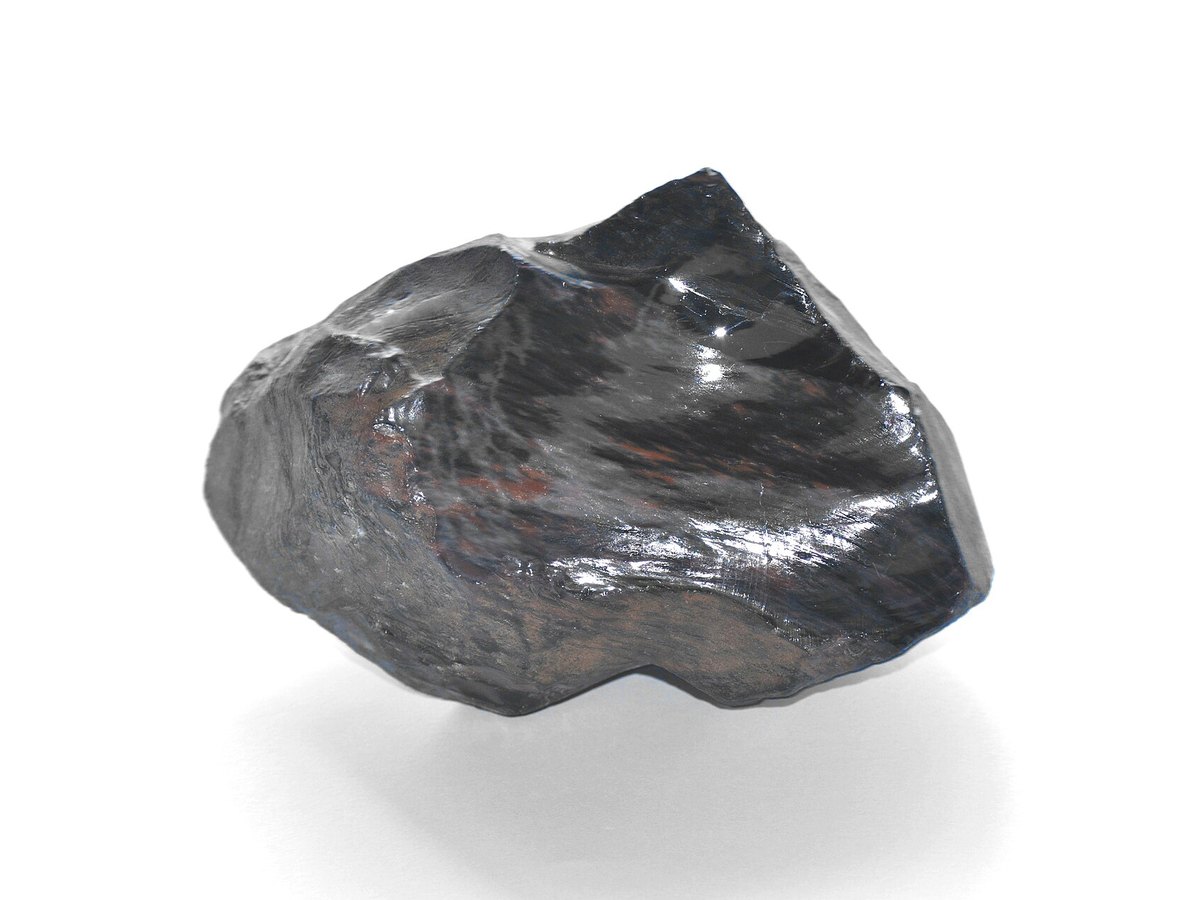
Asphaltite
Solid Bitumen (Gilsonite, Grahamite, Uintaite)
The slow stone that was once life.
Chakra
Root
Element
Earth
Zodiac
Scorpio · Capricorn
I. The Metaphysical Reading
How the stone has been held.
Asphaltite is worked with as a stone of ancestral time and long transformation. Practitioners associate its dense, unhurried presence with grief work that stretches over seasons, and with the recognition that some material of the self becomes useful only after it has been left alone for a very long while.
- Chakra
- Root
- Element
- Earth
- Zodiac
- Scorpio · Capricorn
- Keynote
- The slow stone that was once life.
II. The Scientific Reading
What the lattice actually does.
Asphaltite is a family of naturally occurring solid bitumens formed when petroleum seeps into fractures and loses its lighter fractions over geological time. The best-known variety, gilsonite (uintaite), is mined from vertical veins in the Uinta Basin of Utah, some more than five metres wide and hundreds of metres deep. Its high hydrocarbon content and clean fracture make it a valuable industrial resin as well as a curious specimen mineral.
- Formula
- Complex hydrocarbons (C, H, N, S, O)
- System
- Amorphous
- Hardness
- 2 – 3 (Mohs)
- Provenance
- USA (Utah, Oklahoma), Canada, Cuba, Argentina
References & Sources
Independent mineralogical references used to verify the scientific details above.
Mineral Profile
Fact Sheet
- Chemical Formula
- Complex hydrocarbons (C, H, N, S, O)
- Crystal System
- Amorphous
- Mohs Hardness
- 2 – 3 (Mohs)
- Density
- 1.02 – 1.20 g/cm³
- Refractive Index
- ≈ 1.55 – 1.65
- Provenance
- USA (Utah, Oklahoma), Canada, Cuba, Argentina
- Color Origin
- Deep black with vitreous to pitchy lustre
Related Crystals
Stones that share this lattice
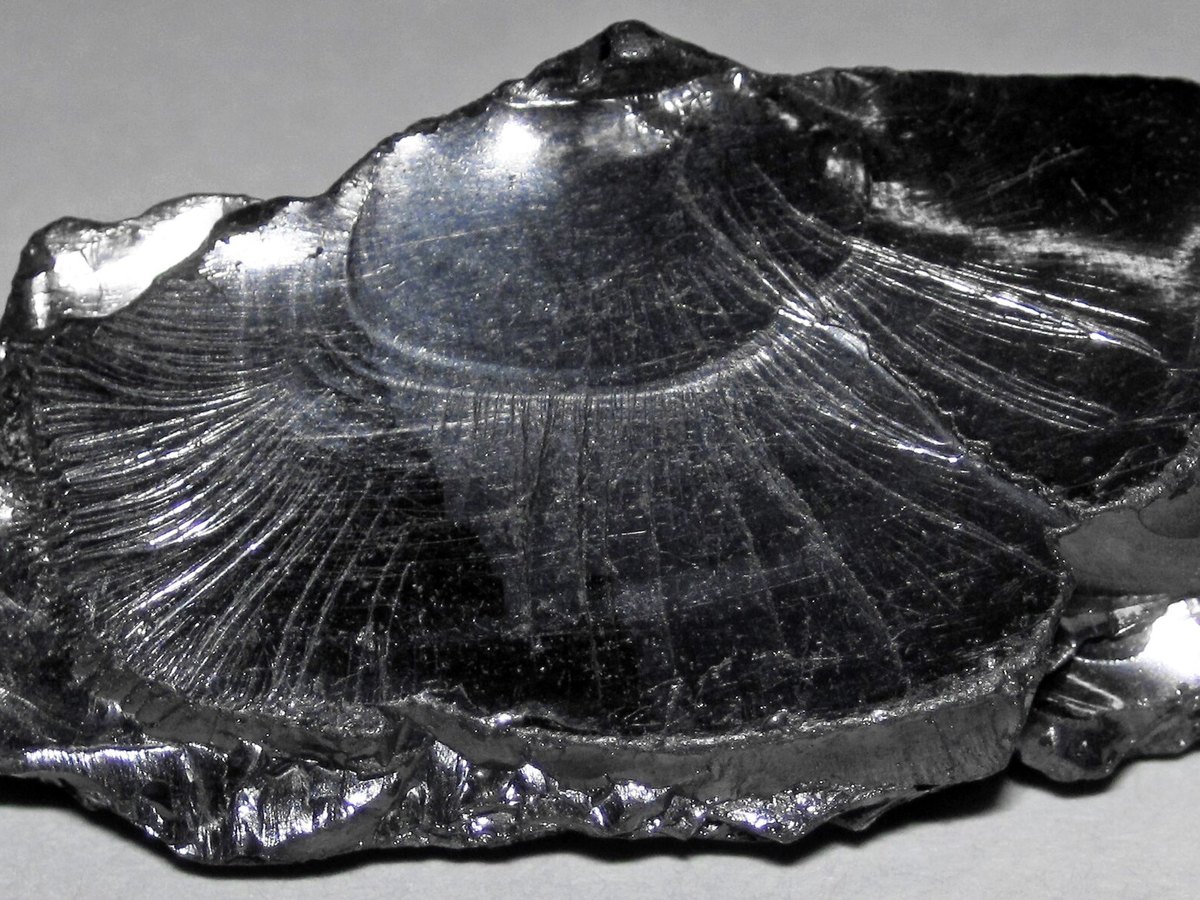
Next in the Atlas
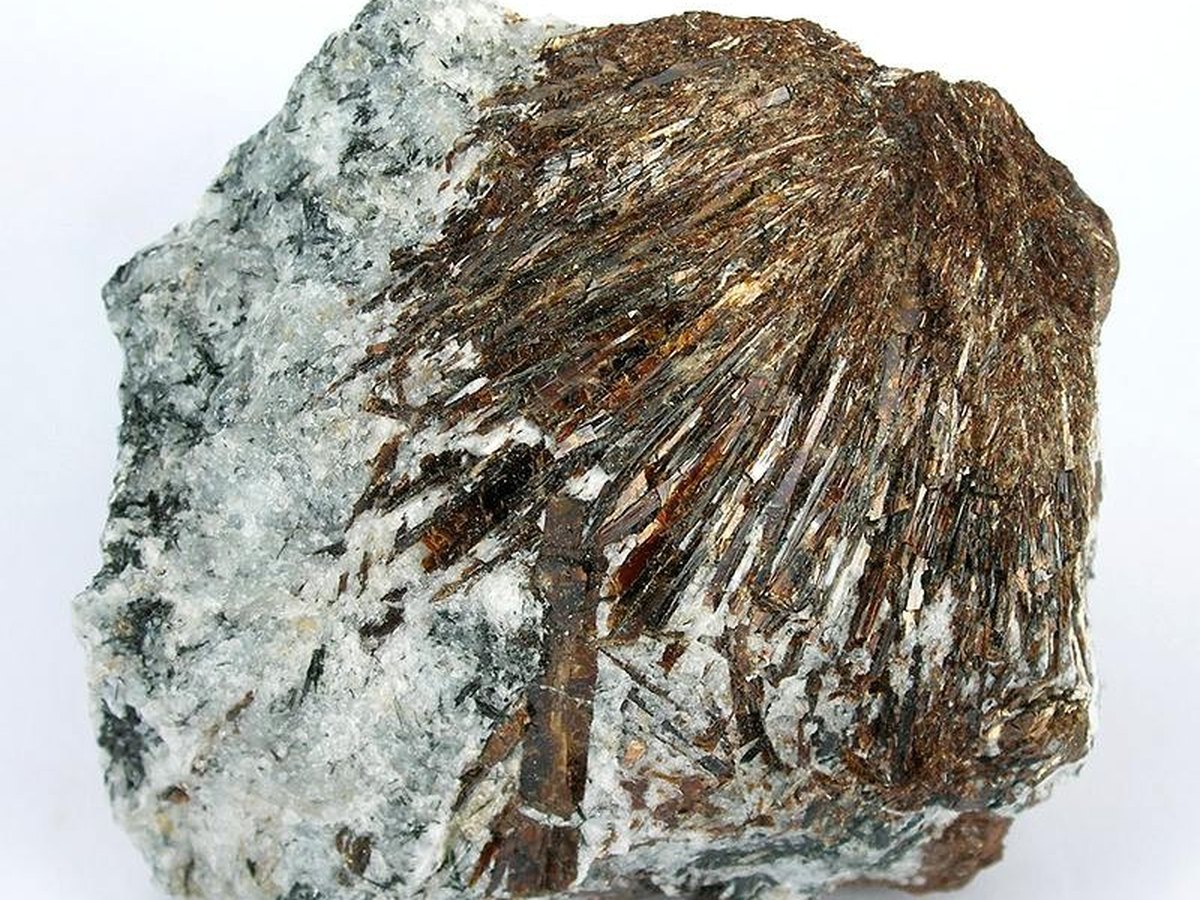
Astrophyllite
Star-leaf sprung from dark rock.