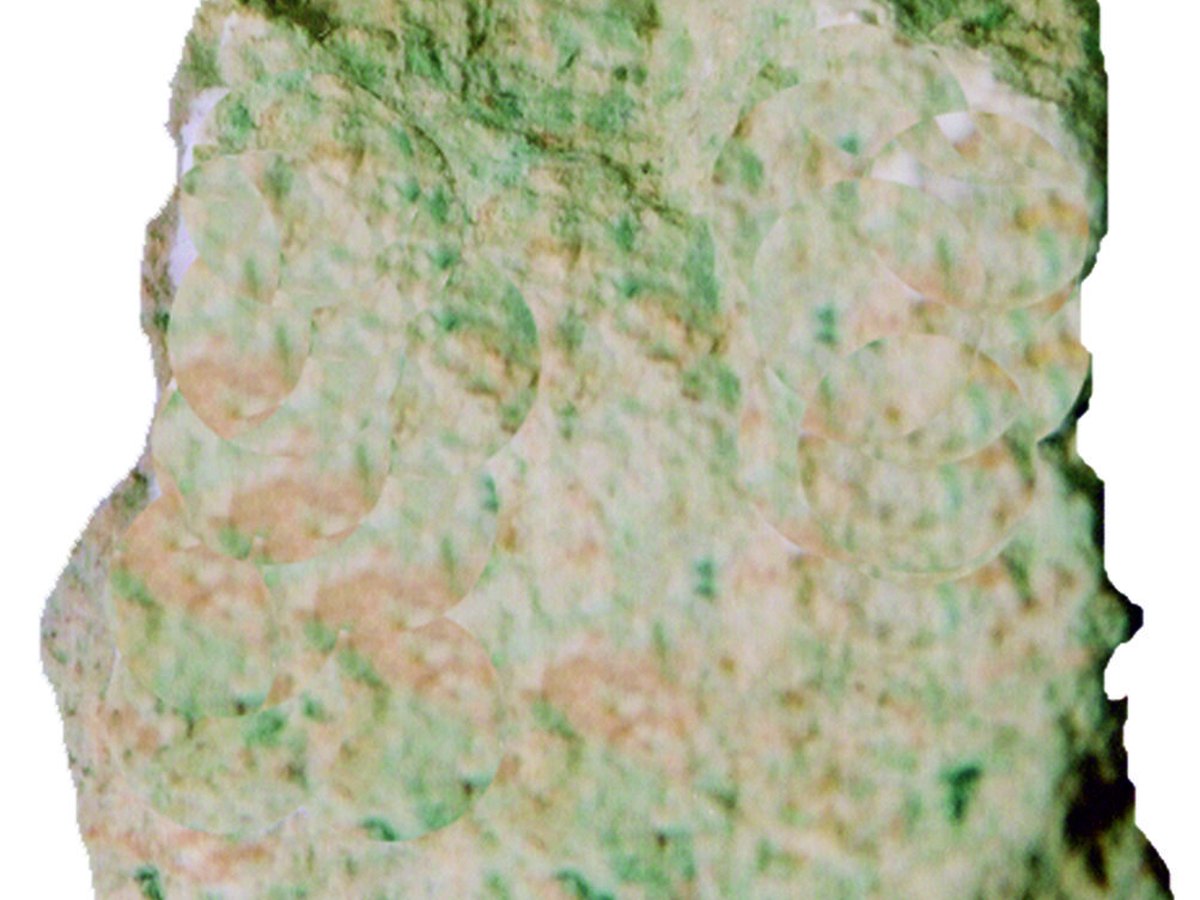
Entry № 012
Alexandrite
Beryllium Aluminium Oxide (Cr-bearing chrysoberyl)
Emerald by day, ruby by lamplight.
Chakra
Heart · Crown
Element
Fire · Air
Zodiac
Scorpio · Gemini
I. The Metaphysical Reading
How the stone has been held.
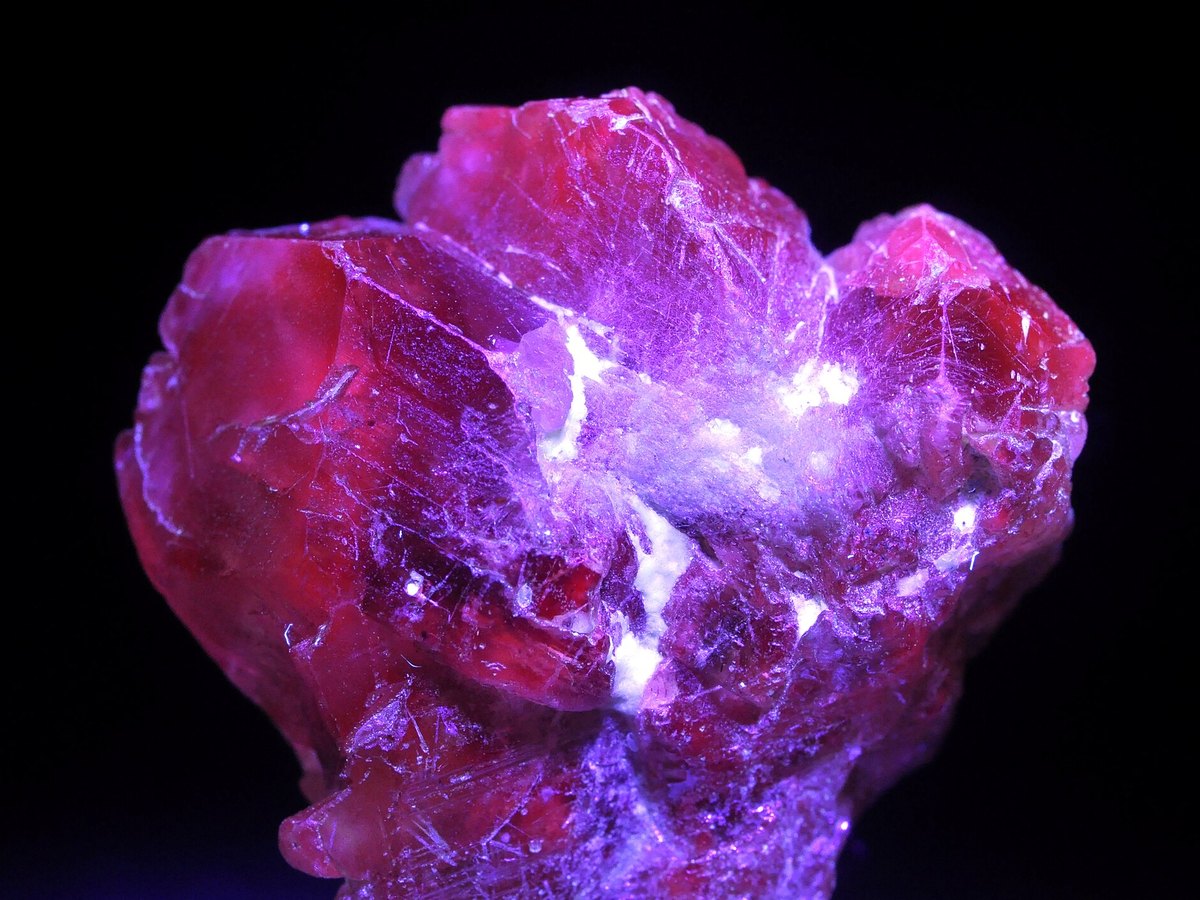
Regarded in Russian tradition as a stone of good fortune and dual nature - the outward will (green) and the inward heart (red) held within one crystal. Practitioners associate alexandrite with regeneration, midlife transition, and the reconciliation of intellect with feeling.
- Chakra
- Heart · Crown
- Element
- Fire · Air
- Zodiac
- Scorpio · Gemini
- Keynote
- Emerald by day, ruby by lamplight.
II. The Scientific Reading
What the lattice actually does.
Alexandrite is the chromium-bearing variety of chrysoberyl. Its celebrated colour change is a genuine spectral effect: Cr³⁺ ions substitute for Al in the lattice, absorbing yellow wavelengths so that the transmitted colour depends on the illuminant's spectrum - the mineral favours green in daylight-balanced light and red under tungsten. Discovered in the Urals in 1834 and named for Tsar Alexander II.
- Formula
- BeAl₂O₄ : Cr³⁺
- System
- Orthorhombic
- Hardness
- 8.5 (Mohs)
- Provenance
- Russia (Ural Mts.), Brazil (Hematita), Sri Lanka, Tanzania, India
References & Sources
Independent mineralogical references used to verify the scientific details above.
Mineral Profile
Fact Sheet
- Chemical Formula
- BeAl₂O₄ : Cr³⁺
- Crystal System
- Orthorhombic
- Mohs Hardness
- 8.5 (Mohs)
- Density
- 3.70 – 3.78 g/cm³
- Refractive Index
- 1.746 – 1.755
- Provenance
- Russia (Ural Mts.), Brazil (Hematita), Sri Lanka, Tanzania, India
- Color Origin
- Bluish-green in daylight, purplish-red under incandescent light
Related Crystals
Stones that share this lattice
Next in the Atlas
Allophane
Blue milk of the volcano.